

Adjusting the lifting speed of a vacuum lifter is a crucial aspect that directly impacts the efficiency, safety, and overall performance of material handling operations. As a leading supplier of vacuum lifters, we understand the importance of providing our customers with comprehensive guidance on this topic. In this blog post, we will delve into the various factors that affect the lifting speed of a vacuum lifter and provide practical tips on how to adjust it effectively.
Understanding the Basics of Vacuum Lifters
Before we discuss how to adjust the lifting speed, it's essential to have a basic understanding of how vacuum lifters work. A vacuum lifter operates by creating a vacuum between the suction cup and the surface of the object to be lifted. This vacuum generates a holding force that allows the lifter to grip and lift the object securely. The lifting speed of a vacuum lifter is influenced by several factors, including the strength of the vacuum, the size and weight of the object, the type of suction cup, and the design of the lifter.
Factors Affecting Lifting Speed
Vacuum Strength
The strength of the vacuum is one of the most critical factors affecting the lifting speed of a vacuum lifter. A stronger vacuum can generate a greater holding force, allowing the lifter to lift heavier objects more quickly. However, increasing the vacuum strength also requires more power, which can lead to higher energy consumption and potentially shorter equipment lifespan. Therefore, it's important to find the right balance between vacuum strength and lifting speed.
Object Size and Weight
The size and weight of the object being lifted also play a significant role in determining the lifting speed. Larger and heavier objects require more time to lift and lower, as the vacuum lifter needs to generate enough holding force to support the weight of the object. Additionally, the shape and surface texture of the object can affect the suction cup's ability to create a strong seal, which can further impact the lifting speed.
Suction Cup Type
The type of suction cup used in the vacuum lifter can also affect the lifting speed. Different suction cups are designed for different applications and object surfaces. For example, soft suction cups are ideal for lifting delicate or irregularly shaped objects, while hard suction cups are better suited for smooth and flat surfaces. The material and design of the suction cup can also impact its ability to create a strong seal, which can affect the lifting speed.
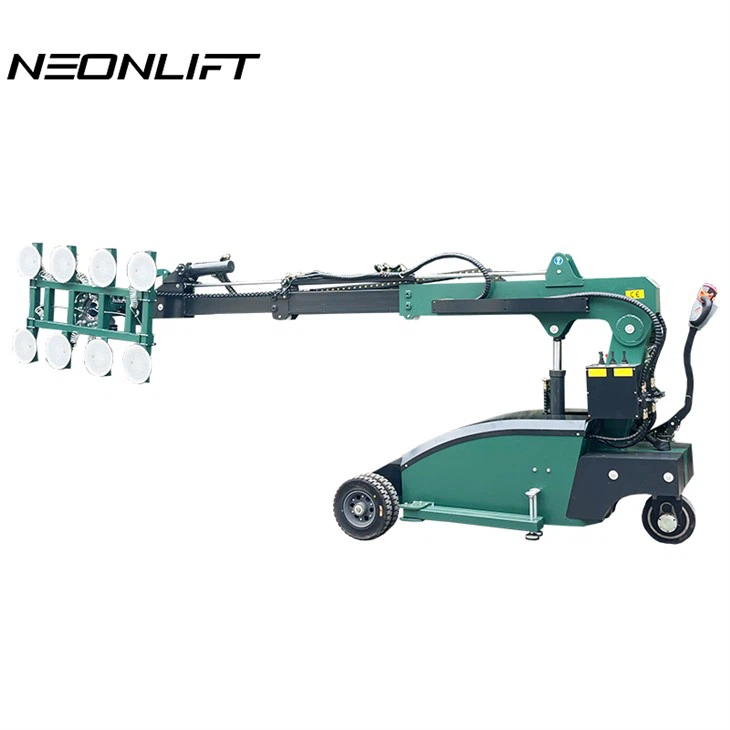

Lifter Design
The design of the vacuum lifter can also influence the lifting speed. Some vacuum lifters are designed for high-speed lifting, while others are more suitable for slow and precise movements. The number of suction cups, the layout of the suction cups, and the overall structure of the lifter can all affect the lifting speed. Additionally, the control system of the lifter can also play a role in determining the lifting speed, as it allows the operator to adjust the speed and direction of the lift.
How to Adjust the Lifting Speed
Adjusting the Vacuum Pump
One of the most common ways to adjust the lifting speed of a vacuum lifter is to adjust the vacuum pump. The vacuum pump is responsible for creating the vacuum that allows the suction cup to grip the object. By adjusting the speed or power of the vacuum pump, you can increase or decrease the strength of the vacuum, which can in turn affect the lifting speed. However, it's important to note that adjusting the vacuum pump should be done carefully, as overloading the pump can lead to damage and reduced performance.
Changing the Suction Cup
Another way to adjust the lifting speed is to change the suction cup. As mentioned earlier, different suction cups are designed for different applications and object surfaces. By choosing the right suction cup for the job, you can improve the suction cup's ability to create a strong seal, which can increase the lifting speed. Additionally, some suction cups are designed to be more flexible or have a larger surface area, which can also improve the lifting speed.
Modifying the Lifter Design
In some cases, modifying the design of the vacuum lifter can also help to adjust the lifting speed. For example, adding more suction cups or changing the layout of the suction cups can increase the holding force and improve the lifting speed. Additionally, upgrading the control system of the lifter can allow for more precise and efficient operation, which can also affect the lifting speed.
Training the Operator
Finally, training the operator is also an important aspect of adjusting the lifting speed. A well-trained operator will be able to use the vacuum lifter more effectively and efficiently, which can help to improve the lifting speed. Additionally, the operator should be familiar with the different factors that affect the lifting speed and know how to adjust the lifter accordingly.
Conclusion
Adjusting the lifting speed of a vacuum lifter is a complex process that requires careful consideration of several factors. By understanding the basics of vacuum lifters, the factors that affect the lifting speed, and the various ways to adjust it, you can optimize the performance of your vacuum lifter and improve the efficiency of your material handling operations. As a leading supplier of vacuum lifters, we offer a wide range of products and services to meet your specific needs. If you have any questions or need further assistance, please don't hesitate to [contact us for procurement and negotiation].
References
- "Vacuum Lifters: Principles and Applications." Industrial Equipment Handbook.
- "Material Handling Technology: A Guide to Vacuum Lifters." Material Handling Journal.
- "Optimizing the Performance of Vacuum Lifters." Equipment Maintenance and Management Magazine.


