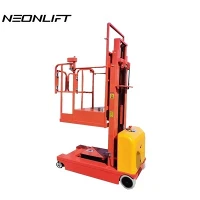
Regular inspection of lift tables is crucial for ensuring their safe and efficient operation. As a lift table supplier, I've seen firsthand the impact of proper maintenance on these essential pieces of equipment. In this blog, I'll share some practical tips on how to inspect a lift table regularly.
Pre - inspection Preparations
Before you start inspecting the lift table, it's important to get everything ready. First, gather all the necessary tools. You'll typically need a flashlight to check hard - to - reach areas, a measuring tape to verify dimensions, and a wrench set for tightening any loose bolts.
Also, make sure you have the lift table's manual on hand. The manual contains important information about the specific model, such as recommended maintenance intervals, torque specifications, and safety procedures. It's like a roadmap to keeping your lift table in top condition.
Visual Inspection
The first step in the inspection process is a thorough visual check. Start by looking at the overall structure of the lift table. Check for any signs of cracks, bends, or corrosion on the frame. A cracked frame can seriously compromise the stability of the lift table, so this is a critical part of the inspection.
Inspect the platform surface as well. It should be free from any debris, unevenness, or damage. If the platform is damaged, it can cause items placed on it to shift or fall during lifting, which is a major safety hazard.
Next, take a look at the hydraulic hoses. Look for any signs of leakage, such as wet spots or drips. Leaking hydraulic fluid not only reduces the performance of the lift table but can also create a slippery surface, increasing the risk of accidents. You can also check the hose connections to make sure they are tight.
Don't forget to examine the scissor arms. These are the parts that allow the lift table to go up and down. Look for any signs of wear or damage, like bent or broken arms. If the scissor arms are not in good condition, the lift table may not operate smoothly or safely.
Mechanical Component Inspection
After the visual inspection, it's time to move on to the mechanical components. Start with the bearings. Bearings are responsible for smooth movement within the lift table. You can try to rotate the parts that use bearings by hand. If you feel any roughness or resistance, it could be a sign that the bearings need to be replaced.
Check the bolts and nuts all over the lift table. Over time, vibrations from normal operation can cause these fasteners to loosen. Use your wrench set to tighten any loose ones. Make sure to check the torque according to the specifications in the lift table's manual.
The pulley system, if any, also needs inspection. Look for any signs of wear on the pulleys and the belts. Worn - out pulleys or belts can cause the lift table to malfunction, so it's important to replace them if necessary.
Electrical System Inspection (for Electric Lift Tables)
If you're dealing with an electric lift table, the electrical system is a key area to inspect. Start by looking at the power cord. Check for any cuts, fraying, or exposed wires. A damaged power cord is a serious safety risk as it can cause electrical shock or even a fire.
Inspect the control panel. Make sure all the buttons are working properly and that the display, if there is one, is showing the correct information. You can try pressing each button to test its functionality.
Also, check the electrical connections within the lift table. Loose connections can lead to electrical problems or cause the lift table to stop working unexpectedly. Tighten any loose connections carefully.
Hydraulic System Inspection (for Hydraulic Lift Tables)
For hydraulic lift tables, the hydraulic system needs special attention. Check the hydraulic fluid level. It should be within the recommended range indicated in the manual. If the fluid level is too low, it can cause the lift table to operate slowly or not at all. You may need to add hydraulic fluid if necessary.
Inspect the hydraulic pump. Listen for any unusual noises when the lift table is in operation. Unusual noises can be a sign of a problem with the pump, such as a clogged filter or a failing pump motor.
The hydraulic valves also need inspection. Make sure they are functioning correctly and that there are no signs of blockage or leakage. A malfunctioning valve can cause the lift table to have problems with lifting or lowering.
Operational Test
Once you've completed all the inspections, it's time to conduct an operational test. Start the lift table and let it go through a full cycle of lifting and lowering. Pay close attention to how it operates. It should move smoothly and steadily without any jerks or sudden stops.


During the test, listen for any abnormal noises. Grinding, squeaking, or rattling sounds can indicate a problem with the mechanical or hydraulic components. If you notice any issues during the operational test, stop the lift table immediately and investigate further.
Documentation
After the inspection and operational test, it's important to document the results. Keep a record of what you inspected, any issues you found, and what actions you took to address them. This documentation can be very helpful for future inspections and for demonstrating compliance with safety regulations.
Conclusion
Regular inspection of lift tables is not just a good practice; it's a necessity. By following these steps, you can ensure that your lift table operates safely and efficiently, reducing the risk of accidents and costly downtime.
If you're in the market for a high - quality lift table, we offer a wide range of products. Check out our U - type Electric Lifting Tables, Pit Free E Shape Pallet Lift, UType Electric Hydraulic Pallet Lift Platform, Double Scissor Lift Table, and Hydraulic Scissor Lift Platform. We're always here to assist you with any questions you may have and to help you make the right choice for your needs. Feel free to reach out to us to start a procurement discussion.
References
- Lift table manufacturer's manuals
- Industry safety standards and guidelines