

If you’ve ever spent time in a warehouse, manufacturing floor, or even a loading dock, you know how critical lift tables are for reducing strain, speeding up workflows, and keeping work environments safe. But when it comes time to pick one for your operation, the first big question almost always lands on the power source: manual vs. electric. As someone who’s been selling lift tables for years, I’ve heard every version of this debate from operators, plant managers, and small business owners. Some swear by the old-school reliability of manual models, while others won’t look twice at anything that doesn’t plug in. The truth is, there’s no one “best” answer—it all depends on your workflow, space, volume, and long-term goals. Let’s break down the key differences, so you can make a choice that fits your needs, and maybe even point you to the right tools from our lineup along the way.
First, let’s start with the basics: what is a manual lift table? Simply put, it’s a lift that uses human force to raise and lower loads, rather than an external power source like electricity or hydraulics hooked up to a motor. Most manual models work with a hand pump operated by a lever, or sometimes a foot pedal, to pressurize hydraulic fluid inside the lift, which pushes the table up. To lower it, you open a small valve that lets the fluid flow back out slowly, keeping the load stable the whole time. This design is straightforward—no wires, no batteries, no complicated controls—so it’s easy to see why it’s been around for decades.
On the flip side, an electric lift table uses an electric motor to power the hydraulic system (or sometimes a screw drive system, though hydraulics are more common for industrial models). The motor does the heavy lifting: you press a button or flip a switch, and the table raises or lowers automatically. Some even have preset height settings, so you can program the table to stop at a specific level, which is a big help for repetitive tasks like loading pallets. No physical effort is required from the operator beyond activating the control, which is a game-changer for teams moving heavy loads all day.
Now, let’s get into the practical, real-world differences that matter most for your business. Let’s start with effort and safety, because that’s the number one pain point for anyone moving materials manually. A typical manual lift table can handle loads anywhere from 500 to 6,000 pounds, depending on the model, but to get that load up to height, the operator has to pump the lever dozens, even hundreds of times. For a single pallet, that’s manageable, but if you’re doing this 50 times a day, that adds up to a lot of strain on shoulders, arms, and backs. Over time, that’s how you get workplace injuries—back strains, rotator cuff issues, all stuff that leads to downtime and workers’ comp claims. Electric models eliminate that entirely: the motor does all the pumping, so even a 4,000-pound load rises smoothly with the push of a button. That’s why electric lifts are the go-to for high-volume operations. But wait—before you write off manual models entirely, consider the flip side: manual lifts don’t have the complex electrical components that can fail. If the power goes out, an electric lift might be stuck halfway (unless it has a backup battery, which adds cost), but a manual lift still works exactly as it does on a normal day. That reliability is huge for facilities that operate in areas with frequent power outages, or for teams that need to move materials in emergency situations.
Next, there’s cost. Upfront cost is a big factor for most buyers, and manual lifts are almost always cheaper to buy than electric ones. A basic manual lift table might run half the price of a comparable electric model. But you have to look beyond the sticker price to get the full picture of total cost of ownership. Manual lifts require almost no ongoing maintenance—no battery changes, no motor tune-ups, no electrical repairs. You just check the hydraulic fluid occasionally, and that’s it. Electric lifts, on the other hand, have more moving parts: motors, batteries, wiring, control panels. Batteries need to be replaced every 3-5 years, depending on use, and if any part of the electrical system fails, you might have to call a technician, which adds to operating costs. For small businesses or teams with low-volume use—say, only moving a handful of loads a day—the lower upfront cost and minimal maintenance of a manual lift might be the smarter financial move. But for high-volume teams that run multiple lifts 8+ hours a day, the labor savings from not having to pump manual levers add up quickly, and the electric model pays for itself in a year or two.
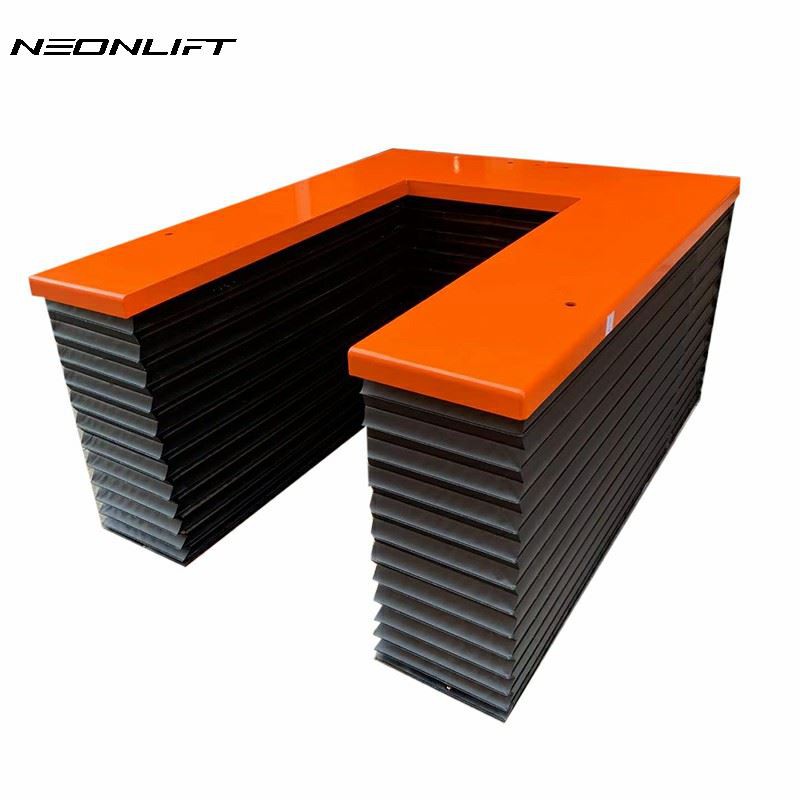
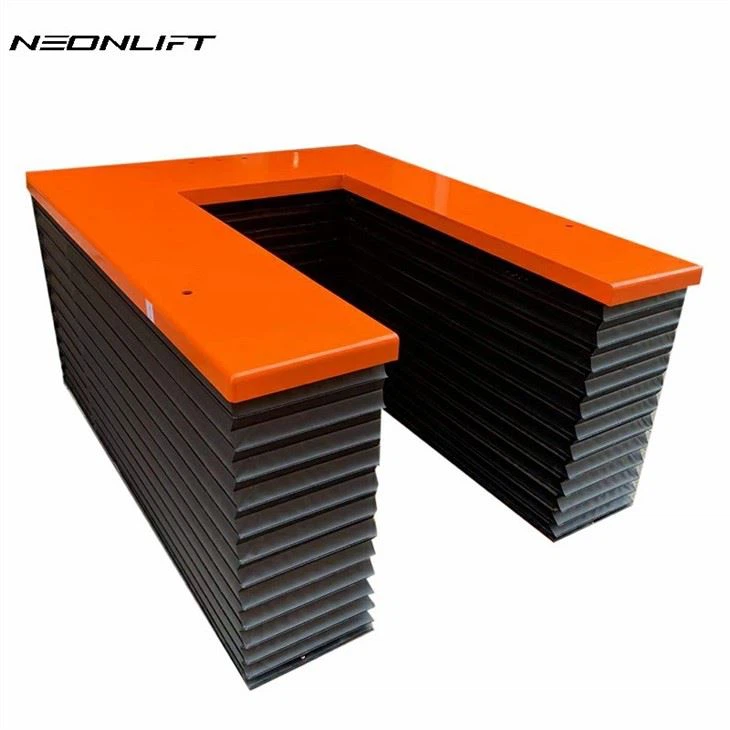
Then there’s mobility and space. Let’s be honest: not every warehouse or workspace has a dedicated spot for a permanent lift table. Manual lift tables are often more compact and lighter than electric ones, because they don’t have a bulky motor and battery pack. That makes them easier to move around—most models have wheels, so you can roll them from the loading dock to the assembly line, and then tuck them away in a corner when you’re done. If you need a lift that’s flexible, that’s a big plus. Electric lift tables are usually heavier and more fixed, because the extra components make them harder to move. That said, there are electric models designed for mobility, like our Electric Pallet Jacks, which combine lift table functionality with the maneuverability of a pallet jack. For teams that need to move loads between different parts of the facility without unloading, that’s a perfect middle ground. Another space consideration is height profile. If you’re working with low pallets or tight areas, a low-profile lift might be necessary. Our U-Type Scissor Lift Low Profile is a great example—its low height when collapsed means it fits under standard pallets, making it easy to load and unload without having to lift the pallet much first. Manual low-profile models are common, but electric low-profile lifts are becoming more popular for teams that do a lot of pallet loading, because they reduce the need for bending over to lift pallets onto the table.
Speaking of pallets, let’s talk about use case. This is where people often make the wrong choice, picking a lift that doesn’t fit their specific task. If you’re loading and unloading pallets from a truck, for example, a lift table that works in tandem with a pallet jack is essential. Our Manual Forklift Moving Pallet Trolley is built to pair with manual lift tables, making it easy to roll pallets onto the table without heavy lifting. If you’re working in a warehouse where you’re lifting the same type of load to the same height multiple times a day—say, assembling furniture that needs to be at waist height for workers—an electric Scissor Lift Table for Warehouse is the way to go. The preset height function means every load is at the perfect position, so workers don’t have to bend or stretch, which boosts productivity and reduces fatigue. But if you’re in a small workshop that only needs to lift a few 500-pound loads a week, a manual pallet scissor lifting platform is more than enough, and you won’t have to worry about remembering to charge a battery or replace a motor.
There are also some less obvious factors to consider. For example, if you’re operating in a cold environment, like a refrigerated warehouse or a winter outdoor worksite, hydraulic fluid can thicken, which makes manual lifting harder. Electric lifts, on the other hand, have motors that work consistently in most temperature ranges, as long as the battery is rated for cold weather. Another factor is operator training. Manual lifts are super simple—anyone can learn to pump the lever in a minute—so you don’t have to spend time training new hires on how to use them. Electric lifts have control panels, safety features (like emergency stop buttons), and sometimes even programmable settings, so training takes a bit longer, but the payoff is less physical strain on operators.
Don’t get me wrong, electric lifts aren’t perfect. They rely on power, so if you don’t have a backup generator, a power outage can halt work until the power comes back or you manually crank the lift (if it has a manual override, which some do). They also have more parts that can break, so downtime for repairs is a real risk if you don’t have a maintenance plan. Manual lifts, while simpler, aren’t without their downsides: operators can still make mistakes if they pump too hard, or if the load isn’t centered, which can cause the table to tip. And for really heavy loads (over 6,000 pounds), manual models aren’t common, so you’d almost always need an electric lift for that.
At the end of the day, the best way to choose between manual and electric lift tables is to ask yourself a few key questions: How many loads do I move in a day? What’s the average weight of those loads? Do I need to move the lift around the facility, or is it staying in one spot? Is reliable power available where I’ll use it? For small, low-volume operations with limited budgets, manual lifts are hard to beat for their simplicity and reliability. For high-volume, industrial operations where efficiency and worker safety are top priorities, electric lifts make the most sense.
If you’re still not sure which is right for you, we have a range of options to fit every need. Whether you’re looking for a compact manual pallet scissor lifting platform for a small workshop, an electric pallet jack to move loads across the warehouse, or a specialized scissor lift table for warehouse use, we can help you find the exact lift that works for your workflow. Our team has years of experience working with all kinds of businesses, from small family-owned shops to large distribution centers, so we can answer any questions you have about specs, load capacity, and which model will save you time and money.
To discuss your specific needs and find the perfect lift table, feel free to reach out to our team for a no-obligation consultation. We’re here to help you make a choice that keeps your workers safe, your workflow smooth, and your budget on track.
References
- Material Handling Industry Association. (2023). Lift Table Selection Guide: Power Types, Use Cases, and Safety Standards. Retrieved from MHIA.org
- Occupational Safety and Health Administration (OSHA). (2022). Ergonomic Guidelines for Material Handling Equipment in Warehouses. Retrieved from OSHA.gov
- Industrial Equipment News (IEN). (2023). Total Cost of Ownership: Manual vs. Electric Lifting Equipment. Retrieved from IENews.com
- National Institute for Occupational Safety and Health (NIOSH). (2021). Back Injury Prevention in Material Handling: Role of Lift Tables. Retrieved from CDC.gov


