

When it comes to rotary platforms, one of the most frequently asked questions is about their power consumption. As a supplier of rotary platforms, I'm here to shed light on this topic and provide you with a comprehensive understanding of what influences the power consumption of these remarkable devices.
Understanding Rotary Platforms
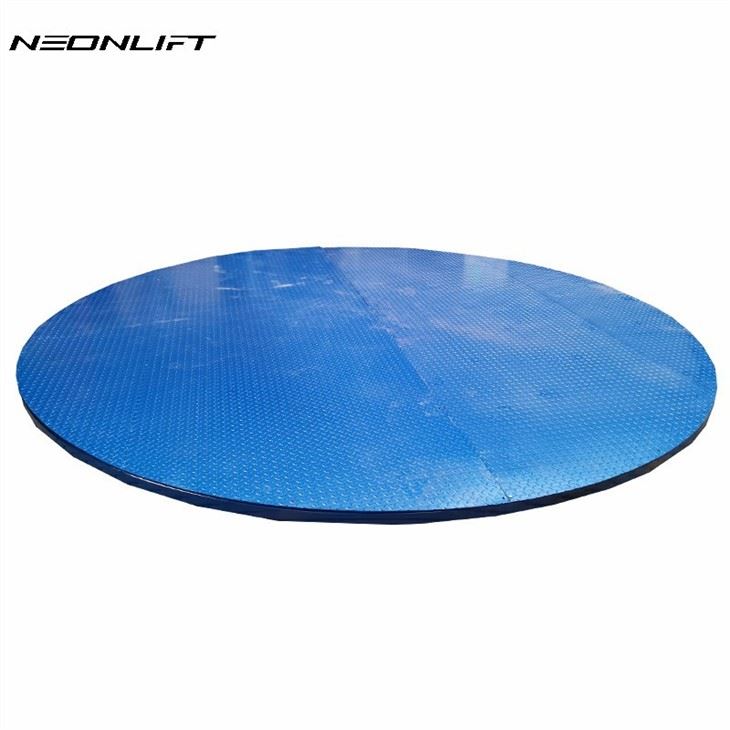
Rotary platforms are mechanical devices designed to rotate objects in a circular motion. They are used in a wide range of applications, from industrial manufacturing and automation to automotive parking solutions. For instance, Vehicle Rotating Platforms are specifically engineered to help vehicles turn around in limited spaces, making parking and maneuvering much easier.
Factors Affecting Power Consumption
The power consumption of a rotary platform is influenced by several key factors. Let's take a closer look at each of them:
1. Motor Type and Size
The motor is the heart of a rotary platform, and its type and size play a crucial role in determining power consumption. There are different types of motors used in rotary platforms, such as AC motors and DC motors. AC motors are commonly used in industrial applications due to their high power and reliability, while DC motors are often preferred in smaller, battery-powered devices.

The size of the motor is also important. A larger motor generally requires more power to operate, but it can also provide greater torque and speed. When selecting a motor for a rotary platform, it's essential to consider the specific requirements of the application, such as the load capacity and the desired rotation speed.
2. Load Capacity
The load capacity of a rotary platform refers to the maximum weight it can support. The heavier the load, the more power the motor needs to overcome the inertia and rotate the platform. For example, a 360° Rotating Car Turntable Platform designed to support large vehicles will consume more power than a smaller platform used for lighter objects.
3. Rotation Speed
The rotation speed of a rotary platform is another factor that affects power consumption. Faster rotation speeds require more power to accelerate and maintain the movement. However, in some applications, such as precision manufacturing, a slower rotation speed may be preferred to ensure accuracy and stability.
4. Efficiency of the Transmission System
The transmission system of a rotary platform is responsible for transferring the power from the motor to the platform. A more efficient transmission system can reduce power losses and improve overall energy efficiency. For example, a belt drive system may be more efficient than a chain drive system in certain applications.
Calculating Power Consumption
To calculate the power consumption of a rotary platform, you need to consider the power requirements of the motor and the operating time. The power consumption of a motor is typically measured in watts (W) or kilowatts (kW).
The formula for calculating power consumption is:
Power Consumption (kWh) = Power (kW) x Time (h)
For example, if a rotary platform has a motor with a power rating of 1 kW and it operates for 5 hours, the power consumption would be:
Power Consumption = 1 kW x 5 h = 5 kWh
It's important to note that this is a simplified calculation and does not take into account other factors such as the efficiency of the motor and the transmission system. In real-world applications, the actual power consumption may be higher or lower depending on these factors.
Energy-Saving Measures
As a supplier of rotary platforms, we are committed to providing energy-efficient solutions to our customers. Here are some energy-saving measures that can be implemented to reduce the power consumption of rotary platforms:
1. Use High-Efficiency Motors
High-efficiency motors are designed to convert electrical energy into mechanical energy more effectively, reducing power losses and improving overall energy efficiency. When selecting a motor for a rotary platform, look for motors with high efficiency ratings.
2. Optimize the Load Capacity
Make sure the rotary platform is sized appropriately for the load it needs to support. Overloading the platform can increase power consumption and reduce its lifespan. By optimizing the load capacity, you can ensure that the platform operates at its most efficient level.
3. Control the Rotation Speed
In applications where the rotation speed can be adjusted, consider using a variable speed drive to control the speed of the motor. This allows you to adjust the speed according to the specific requirements of the application, reducing power consumption when the platform is not operating at full speed.
4. Maintain the Transmission System
Regular maintenance of the transmission system can help ensure its efficiency and reduce power losses. This includes lubricating the bearings, checking the alignment of the belts or chains, and replacing any worn-out components.
Conclusion
In conclusion, the power consumption of a rotary platform is influenced by several factors, including the motor type and size, load capacity, rotation speed, and efficiency of the transmission system. By understanding these factors and implementing energy-saving measures, you can reduce the power consumption of your rotary platform and improve its overall energy efficiency.
If you're interested in learning more about our rotary platforms or have any questions about power consumption, please don't hesitate to contact us. We'd be happy to discuss your specific requirements and provide you with a customized solution. Whether you need a Vehicle Rotating Platform for your parking facility or a 360° rotating car turntable platform for your automotive business, we have the expertise and experience to meet your needs.
References
- Principles of Electric Machines and Power Electronics, P. C. Sen
- Mechanical Engineering Design, Joseph E. Shigley, Charles R. Mischke, Richard G. Budynas


