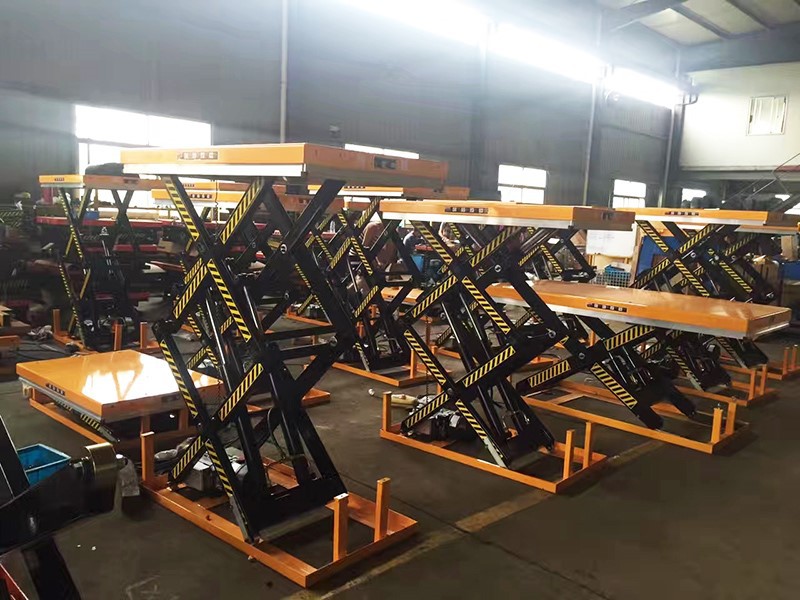
Hydraulic system in a scissor lift is the primary mechanism responsible for the platform's vertical movement. It operates by converting hydraulic energy-generated from pressurized fluid-into mechanical force. This force drives the scissor arm structure to extend or retract, allowing the platform to raise or lower in a smooth and controlled manner.
Key Components of a Scissor Lift Hydraulic System
- Hydraulic Pump
Driven by an electric motor or internal combustion engine, the hydraulic pump pressurizes fluid (typically oil), enabling it to flow through the system and initiate lifting force.
- Hydraulic Cylinder(s)
Pressurized fluid enters the cylinder(s), pushing the piston(s) outward. This action extends the scissor arms and lifts the platform. When fluid is released, the pistons retract, causing the platform to descend.
- Hydraulic Reservoir (Tank)
The reservoir stores hydraulic fluid when not in use and supplies it to the pump during operation. It also assists in cooling the fluid and removing any air bubbles.
- Control Valves
These valves manage the direction and pressure of fluid flow. Operators use a control panel to activate these valves, adjusting the platform's lifting or lowering speed and direction.
- Hoses and Fittings
High-pressure hoses connect system components and transport hydraulic fluid throughout the circuit. Fittings ensure secure, leak-resistant connections.
- Safety Features
Common hydraulic safety mechanisms include:
- Overload protection valves to limit system pressure
- Check valves to prevent reverse fluid flow
- Emergency lowering valves to safely descend the lift in case of power failure
How the Hydraulic System Works
- Lifting
- When the operator activates the control, the pump delivers hydraulic fluid from the reservoir into the cylinders. This pressure forces the pistons to extend, opening the scissor arms and raising the platform.
- Holding
- Once the platform reaches the desired height, the system maintains pressure, locking the platform in place. No additional energy is required to hold the position.
- Lowering
- To lower the platform, the control valve opens and allows fluid to return to the reservoir. The scissor arms retract under the weight of the platform, and the lift descends gradually.
Functional Advantages of Hydraulic Systems in Scissor Lifts
- Compact yet capable lifting force
- Hydraulic systems can lift heavy loads relative to their size and structure.
- Smooth and stable platform movement
- Controlled pressure provides steady elevation, useful for working with fragile items or during personnel access.
- Energy efficiency during idle states
- The system can maintain height without continuous power input.
- Reliable operation and ease of maintenance
- Based on well-established technology, hydraulic systems are known for consistent performance and straightforward maintenance routines.