

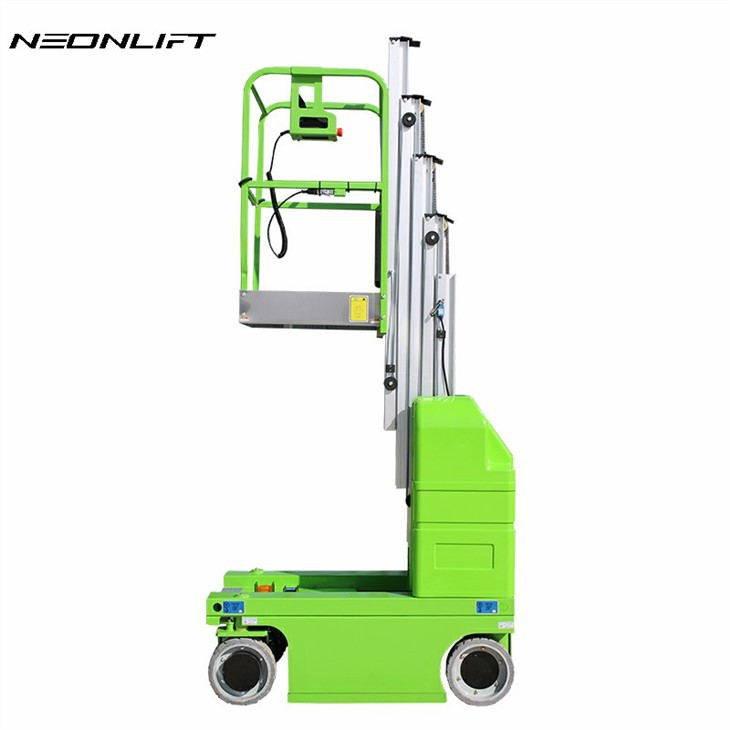
Hydraulic man lifts are essential equipment in various industries, providing a safe and efficient way to reach elevated work areas. One of the critical maintenance tasks for these machines is checking the hydraulic fluid level regularly. As a leading supplier of hydraulic man lifts, including the Movable Electric Single Mast Aluminum Work Platform, Automatic Vertical Mast Aluminum Work Platform, Self-propelled Telescopic Man Lift, Mobile Telescopic Man Lift, and Aerial Man Lift, we understand the importance of proper maintenance and ensuring the longevity of your equipment. In this blog post, we will guide you through the process of checking the hydraulic fluid level in a man lift.

Understanding the Importance of Hydraulic Fluid
Hydraulic fluid plays a crucial role in the operation of a man lift. It transfers power within the hydraulic system, allowing the lift to move smoothly and safely. The fluid also lubricates the moving parts of the system, reducing friction and wear. Additionally, it helps to dissipate heat generated during operation, preventing the system from overheating.
If the hydraulic fluid level is too low, the lift may not operate correctly, and there may be a risk of damage to the hydraulic components. Low fluid levels can cause air to enter the system, leading to a loss of power and potential cavitation, which can damage the pump and other parts. On the other hand, if the fluid level is too high, it can cause excessive pressure in the system, leading to leaks and other problems.
Preparing to Check the Hydraulic Fluid Level
Before you begin checking the hydraulic fluid level, it is essential to take some safety precautions. First, make sure the man lift is parked on a level surface and the engine or power source is turned off. This will prevent the lift from moving unexpectedly during the inspection.
Next, gather the necessary tools. You will typically need a clean rag or towel to wipe the dipstick or fill port, and a flashlight may be helpful if the fluid reservoir is in a hard-to-see location. It is also a good idea to wear protective gloves to avoid getting hydraulic fluid on your skin.
Locating the Hydraulic Fluid Reservoir
The location of the hydraulic fluid reservoir can vary depending on the make and model of the man lift. In some cases, it may be located near the base of the lift, while in others, it may be on the side or at the rear. Consult the operator's manual for your specific man lift to find the exact location of the reservoir.
Once you have located the reservoir, look for the dipstick or sight glass. The dipstick is a long, thin rod with markings on it indicating the proper fluid level range. The sight glass is a clear or translucent window on the side of the reservoir that allows you to see the fluid level directly.
Checking the Hydraulic Fluid Level with a Dipstick
If your man lift is equipped with a dipstick, follow these steps to check the fluid level:
- Remove the dipstick from the reservoir. Wipe it clean with a rag or towel to remove any dirt or debris.
- Insert the dipstick back into the reservoir all the way. Then, remove it again and check the fluid level. The dipstick should have markings indicating the minimum and maximum fluid levels. The fluid level should be between these two markings.
- If the fluid level is below the minimum marking, you will need to add hydraulic fluid to the reservoir. Use the type of fluid recommended in the operator's manual. Slowly pour the fluid into the reservoir, checking the level periodically with the dipstick. Be careful not to overfill the reservoir.
- Once the fluid level is within the proper range, replace the dipstick securely.
Checking the Hydraulic Fluid Level with a Sight Glass
If your man lift has a sight glass, the process is simpler:
- Locate the sight glass on the side of the reservoir. Make sure it is clean and free of any dirt or debris that could block your view.
- Look at the fluid level through the sight glass. The sight glass should have markings indicating the minimum and maximum fluid levels. The fluid level should be between these two markings.
- If the fluid level is below the minimum marking, add hydraulic fluid to the reservoir as described above.
- After adding fluid, check the level again to ensure it is within the proper range.
Additional Considerations
In addition to checking the fluid level, it is also important to inspect the hydraulic fluid for signs of contamination or degradation. Contaminated fluid can cause damage to the hydraulic system and reduce its efficiency. Look for signs of dirt, debris, or water in the fluid. If the fluid appears cloudy, has a strange odor, or contains particles, it may need to be changed.
It is also a good idea to check the hydraulic hoses and connections for leaks. Leaking fluid can not only cause a loss of pressure in the system but also pose a safety hazard. Look for any signs of fluid dripping or pooling around the hoses or connections. If you notice a leak, it should be repaired immediately.
Regular Maintenance Schedule
To ensure the proper operation of your man lift, it is recommended to check the hydraulic fluid level regularly. The frequency of checks will depend on the usage of the lift. For lifts that are used frequently, it is a good idea to check the fluid level daily or weekly. For lifts that are used less often, a monthly or quarterly check may be sufficient.
In addition to regular fluid level checks, it is important to follow the manufacturer's recommended maintenance schedule for your man lift. This may include changing the hydraulic fluid at regular intervals, inspecting the hydraulic system for wear and tear, and lubricating the moving parts.
Conclusion
Checking the hydraulic fluid level in a man lift is a simple but important maintenance task that can help to ensure the safe and efficient operation of your equipment. By following the steps outlined in this blog post and adhering to a regular maintenance schedule, you can extend the lifespan of your man lift and avoid costly repairs.
If you are in the market for a new hydraulic man lift or need replacement parts and maintenance services, we are here to help. As a trusted supplier of high-quality man lifts, we offer a wide range of products to meet your specific needs. Contact us today to discuss your requirements and explore our product offerings.
References
- Manufacturer's operator's manuals for hydraulic man lifts
- Industry standards and best practices for hydraulic system maintenance


