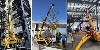
Electric scissor lift is a mobile elevated work platform, characterized by its signature crisscrossing support legs. It provides enhanced maneuverability compared to traditional scaffolding and typically features a larger work surface than boom lifts. This equipment enables vertical access for personnel, making it a common sight in construction, facility maintenance, warehousing, and agricultural sectors.
Operating Principles
The unique scissors-like mechanism defines its functionality. While models vary, the fundamental lifting sequence remains consistent:
- 1) Power is activated by the operator

- 2) Hydraulic fluid or compressed air is directed into the cylinders.

- 3) This pressure forces the intersecting legs to separate, mimicking the opening of scissors.
- 4) As the legs extend, the work platform ascends.

- 6) To descend, pressure within the cylinders is released.
- 7) The cylinders retract, drawing the legs together and lowering the platform.
Why Knowledge of Operation is Critical?
Safety is paramount whenever this equipment is on site. All individuals involved must understand its safe operation, and the machine itself must be maintained in proper working order. Key groups requiring this knowledge include:
- Operators: Enables thorough pre-use inspections, effective troubleshooting, and accurate reporting of any concerns.
- Site Managers/Supervisors: Facilitates clear communication with teams and rental suppliers regarding performance or mechanical issues.
- Maintenance Technicians: Essential for accurate diagnostics, repairs, and preventative servicing.
Primary Components
Most scissor lifts share these core elements:
- Base/Chassis: Provides mobility and stability, housing independent controls and guide rails for the scissor assembly. A sturdy base is vital for smooth operation and tip prevention.
- Work Platform: The area that elevates workers and tools. It usually matches the base's dimensions and is surrounded by guardrails. Platform-mounted controls allow operation from height.
- Scissor Legs/Mechanism: The hinged, cross-braced beams connecting the base to the platform. They extend and retract to raise and lower the unit.
- Hydraulic or Pneumatic Cylinders: Located within the scissor assembly, these are pressurized to extend the legs (lift) or depressurized to retract them (lower).
- Power Source: Typically electric (battery) for indoor/zero-emission use or diesel/fuel-powered for outdoor/heavy-duty applications requiring greater height and load capacity.
- Control Valves: The flow control valve regulates the speed of ascent/descent, while the lowering valve manages the platform's return to the base position.
How Are Scissor Lifts Controlled?
Dual control stations are standard:
- Ground Controls: Located on the base for exterior operation, often used by ground personnel. Features include an emergency stop, key switch, and lift functions.
- Platform Controls: The primary operator station. Includes an E-stop, key switch, a drive/steer mode selector, and a joystick for lifting/lowering. Additional buttons may manage speed, steering, or preset heights.
For assistance in selecting a user-friendly scissor lift-whether compact electric, engine-powered, or rough-terrain-contact the equipment specialists at DAXLIFTER. We can help you identify the ideal high-quality model for your specific project requirements.