When I first started getting questions about whether floor cranes work for lifting fiberglass products, I’ll admit— I had to dig into the details beyond just the basic specs of our equipment. As a floor crane supplier who’s worked with manufacturing, warehousing, and specialty goods teams for over a decade, the answer isn’t a simple “yes” or “no.” It depends on the fiberglass item, its weight, shape, and even the work environment— plus how you pair the right floor crane model with the right lifting accessories. Let’s break this down with the kind of real-world experience I’ve gathered from clients who’ve successfully used our equipment for fiberglass loads.
First, let’s talk about fiberglass as a load material. Fiberglass is known for being lightweight, strong, and non-corrosive— which makes it a popular choice for everything from boat hulls and bathroom fixtures to industrial pipes and custom aerospace components. But that same lightness comes with a catch: fiberglass products are often brittle, prone to cracking or scratching if lifted improperly. A sudden jolt, uneven weight distribution, or using the wrong lifting pad can leave a $10,000 boat hull with a hidden stress crack that shows up years later, or a polished shower enclosure with a permanent scuff. That’s why the key to using a floor crane for fiberglass isn’t just the crane itself— it’s matching the crane to the load’s unique needs.
Let’s start with the basics: when a floor crane is even a good fit for fiberglass. If the fiberglass item weighs between 500 pounds and 10,000 pounds (the typical range for most floor crane models), and it’s not overly large or awkwardly shaped, a floor crane is usually ideal. Unlike larger overhead cranes that require permanent installation and can be harder to maneuver in tight spaces, floor cranes are compact, mobile, and easy to reposition around a workshop or warehouse— perfect for small-batch fiberglass production or custom orders where you don’t need fixed lifting infrastructure.
That said, not all floor cranes are created equal for fiberglass. Let’s walk through the models we supply, and when each works best for fiberglass loads. The first model clients often ask about is our Hydraulic Counterbalance Floor Crane. This model uses a counterweight at the base to stabilize heavy loads, so it doesn’t need outriggers for lifting— which makes it great for work areas with limited space or uneven floors. For smaller, flat fiberglass items like sheet stock, small tank sections, or prefabricated window frames, the Hydraulic Counterbalance Floor Crane works well because its smooth hydraulic lift lets you lower and raise loads slowly, without sudden movements that could crack fiberglass. I recently worked with a custom fiberglass boat builder in Maine who uses this model to move 8-foot hull sections from their cutting table to the assembly bay. They told me they switched from a larger mobile crane because the counterbalance design doesn’t leave scratches on the hull’s gel coat— a win for both efficiency and product quality.
Next, there’s the Hydraulic Mobile Floor Crane, which is slightly more maneuverable than the counterbalance model, with smaller wheels that work well in narrow aisles. This model is great for medium-sized fiberglass items like large water tanks or industrial piping sections that need to be moved between multiple stations in a warehouse. Unlike bulkier mobile cranes, the Hydraulic Mobile Floor Crane can fit through standard 3-foot wide doorways, which is a huge plus for facilities where fiberglass products move from the loading dock to the production floor. One caveat here: when lifting fiberglass, you want to avoid overloading this model. Its standard capacity is 2,000 to 6,000 pounds, so stick to loads within that range for fiberglass— going beyond can strain the crane’s lift arm and create unstable movement that might damage the fiberglass.
If you’re dealing with larger fiberglass loads, say 3,000 to 10,000 pounds, our Mobile Hydraulic Floor Cranes line is a better bet. These models have extended lift arms and reinforced hydraulic systems, so they can handle heavier loads while still being mobile. A fiberglass manufacturing plant in Ohio uses these cranes to move finished storage tanks that weigh up to 8,000 pounds. They told me the key with this model for fiberglass is using soft, non-marring lifting slings instead of metal hooks. The hydraulic system’s precision lets them adjust the lift height by just a few inches, which is critical when placing a large tank onto a waiting base without shifting or bumping.
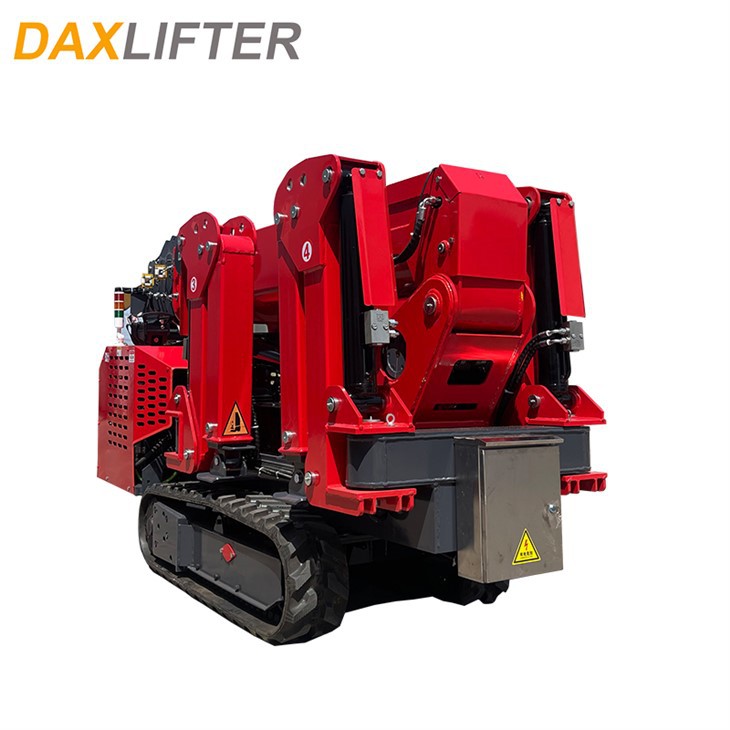
For the most awkward fiberglass loads— like custom aircraft parts, curved boat hulls, or large architectural fiberglass panels— our Compact Mobile Spider Crane and 3-Ton Mini Spider Crane are game-changers. These models have a smaller footprint than traditional floor cranes, with multiple outriggers that extend for stability, making them perfect for working in tight spaces next to workbenches or in corners. The 3-Ton Mini Spider Crane, in particular, is designed for precision lifting, with a wire rope that can be controlled to within an inch of accuracy. A fiberglass component supplier for wind turbine manufacturers uses the Compact Mobile Spider Crane to lift custom blade sections that are too delicate for bulkier equipment. They told me that without this model, they’d have to use overhead cranes that require extensive setup time, which delays their production timeline.
But here’s the thing: even with the right crane, you still need to pair it with the right lifting accessories for fiberglass. That’s a mistake I see new clients make all the time— they buy a great floor crane but use standard metal hooks or hard slings, which can scratch or dent fiberglass. For fiberglass loads, always use soft, padded lifting slings, rubberized edge protectors, or vacuum lifting pads if the surface is flat and smooth. If you’re lifting a curved fiberglass part like a boat hull, a custom-shaped sling that fits the curve evenly will distribute the weight across a larger area, reducing stress points that can cause cracks.
Another key consideration is the work environment. Fiberglass can be slippery when it’s wet, so if you’re lifting fiberglass items that were just finished or cleaned, make sure your floor crane has non-slip wheels to prevent the crane from shifting during lift. Also, avoid lifting fiberglass in extreme temperatures— very cold fiberglass becomes more brittle, so you want to reduce the speed of the lift to minimize stress on the material.
I should also address a common concern: weight capacity. It’s not just about the fiberglass’s static weight— you have to factor in the weight of the lifting accessories, the way the load is distributed, and the crane’s actual rated capacity. For example, if you have a fiberglass boat hull that weighs 4,500 pounds, and you use a sling that weighs 50 pounds, your total load is 4,550 pounds. That means you’ll need a floor crane with a capacity of at least 5,000 pounds, not 4,500. All our floor cranes have clearly labeled rated capacities, so you don’t have to guess— just make sure to account for every part of the lift.
From my experience, the floor crane model that works best for most fiberglass applications is the one that balances mobility, precision, and capacity. If you’re working on small-to-medium fiberglass products in a workshop, the Hydraulic Counterbalance Floor Crane is a reliable, cost-effective choice. For larger, heavy loads that need to be moved around a warehouse, the Mobile Hydraulic Floor Cranes line offers the stability and strength you need. And for delicate, awkward fiberglass items that require pinpoint accuracy, the Compact Mobile Spider Crane or 3-Ton Mini Spider Crane are unmatched in their flexibility.
At the end of the day, the short answer is yes— floor cranes absolutely can be used for lifting fiberglass products— when you select the right model, match it to the load’s requirements, and use the correct lifting accessories. The clients who have the most success don’t just look at the crane’s capacity; they consider the fiberglass’s shape, fragility, and their work environment. If you’re not sure which model is right for your specific fiberglass lifting needs, we’re here to help. We’ve worked with dozens of fiberglass manufacturers and suppliers, and we can guide you to the equipment that will keep your products safe, your workflow efficient, and your bottom line strong.
If you’re ready to explore the right floor crane for your fiberglass lifting operations, reach out to our team to discuss your needs. We can walk you through the specs of each model, answer any questions you have, and help you find a solution that fits your facility and your products. Don’t let improper lifting damage your fiberglass goods— let us help you choose the right floor crane for the job.

References:
- Occupational Safety and Health Administration (OSHA). "Lifting Equipment and Load Handling." U.S. Department of Labor, 2023.
- American Fiberglass Manufacturers Association (AFMA). "Best Practices for Lifting and Handling Fiberglass Products." AFMA Technical Bulletin, 2022.
- Material Handling Industry (MHI). "Floor Crane Selection Guide for Specialty Loads." MHI Global, 2023.
- International Organization for Standardization (ISO). "Cranes— Safety— Part 1: General Requirements." ISO 12480-1:2021.