If you’ve ever stood on a wobbly ladder, stretching to reach the edge of a wall or the peak of a fence while holding a paint can, you’ve probably daydreamed of a safer, more stable way to get the job done. As someone who’s supplied scissor lifts for years (and heard every “wait, can I use this for painting?” question under the sun), I’m here to cut through the hype and give you the real scoop: yes, scissor lifts absolutely work for painting jobs—when you pick the right one, use it safely, and skip the mistakes I’ve seen first-hand mess up entire projects.
First, let’s get one thing straight: not all scissor lifts are made equal for painting. You wouldn’t use a tiny step stool to paint a 20-foot warehouse ceiling, just like you wouldn’t haul a massive, heavy lift into a small bathroom where you need to maneuver around a toilet. That’s why knowing which type fits your specific painting task is half the battle. Let’s break down the most common options from our lineup and when each shines for paint work.
If you’re tackling indoor projects—like painting office walls, school hallways, or retail store interiors—size and mobility matter way more than raw lifting height. You don’t want a lift that’s so bulky it can’t fit through a standard 36-inch door frame, right? That’s where the Electric Mini Scissor Lift comes in. I’ve watched painters grab these for tight indoor jobs that used to require dragging multiple ladders and wasting time setting up scaffolding. These lifts are compact, lightweight, and easy to navigate in crowded spaces—no backing up for 10 minutes because you hit a wall. Plus, they run on batteries, so no loud gas fumes that would make you kick up a fuss in an occupied office during work hours. Pro tip: if you’re doing touch-ups in narrow aisles or around existing furniture, the mini model is non-negotiable.
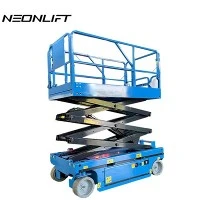
Now, if your project’s more about outdoor work—like painting warehouse exteriors, garage facades, or a multi-level patio—you’ll need something a bit sturdier to handle rough concrete or gravel surfaces. Enter the Hydraulic Mobile Self Propelled Scissor Lift. This bad boy moves on its own (no pushing required, thank goodness) and can handle uneven ground way better than manual models. We’ve supplied these to construction crews repainting big-box store exteriors, and they save so much time vs. renting multiple ladders. The hydraulic system gives you smooth, steady height adjustments, so you won’t have to worry about sudden drops mid-stroke while holding a paint sprayer or roller. Just make sure you check the ground weight capacity—no overloading the platform with paint cans and tools, that’s a quick way to run into issues.
Wait, what if you’re working in a space with zero power access? Maybe a remote barn, a outdoor event booth, or a job site where electricity is hard to come by. That’s where the Electric Manual Scissor Lift comes in. It’s lightweight, doesn’t need a battery or hydraulics to move up—you just crank a handle to lift the platform. I know it sounds old-school, but for small, low-height jobs (like painting a 12-foot garden shed), it’s perfect. It’s also way cheaper than other models, which is a win if you’re only using it for a one-off project.
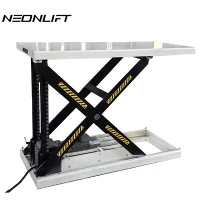
No matter which scissor lift you pick, the main component that makes it work for painting is the Scissor Lift Platform. You’ll want a platform with enough space to hold not just you, but all your paint supplies—roller frames, sprayers, extra cans of paint, a drop cloth, maybe a small bucket of water for brushes. We’ve made platforms with non-slip surfaces that are a must for wet paint or spill-prone work, and some have guard rails that keep you from leaning too far over the edge. If you’re using a spray painter, look for a platform with sealed edges to keep paint overspray from getting stuck in the scissor mechanism—we’ve had customers complain about that before, so it’s a small detail that makes a big difference.
Let’s talk about the biggest misconception I hear all the time: “Scissor lifts are too expensive for painting jobs.” Yeah, if you rent a fancy 20-foot hydraulic lift for a single weekend, that adds up. But here’s the thing: buying the right one for your regular jobs saves you way more in the long run than renting every time. For example, if you’re a small painting contractor who does 10-15 exterior projects a year, the 6m Cheap Scissor Lift is a no-brainer. It’s basic, gets the job done, and won’t break the bank. We’ve sold these to independent painters who used to spend $500 a month on ladder rentals and now recouped their cost in less than a year.
But before you grab your favorite lift and start dousing walls with paint, there are a few non-negotiable safety and work hacks I’ve picked up over the years that will make your job go way smoother. First, always do a pre-job check. That means testing the brakes, making sure the platform is level, checking that the guard rails are locked, and scanning the ground for any potholes or debris that could tip the lift. I once had a customer skip this step and hit a loose rock, which made the lift lurch sideways—they got a scare, and we had to send a tech to fix the lift. Don’t be that guy.
Second, limit the weight on the platform. Most scissor lifts have a weight capacity between 225 and 500 pounds, depending on the model. If you’re 180 pounds, that leaves room for a paint can, roller, and sprayer—perfect. But if you’re bringing two 5-gallon paint buckets, that’s way over and risks damaging the lift or causing it to tip. Trust me, nothing kills a project faster than a broken lift halfway up a wall.
Third, think about overspray and cleanup. If you’re using a paint sprayer, always lay down extra drop cloths around the base of the lift. Overspray can get into the scissor arms if it’s not contained, which will make the lift rust or jam over time. Also, avoid parking the lift in direct sunlight for long periods if you’re working with oil-based paint—extreme heat can warp the platform or cause hydraulic fluid to leak.
Wait, and one last thing: if you’re working at heights over 10 feet, don’t skip your personal fall protection. Scissor lifts are stable, but they’re not ladders—always wear a harness that’s clipped to the lift’s anchor point, not just the guard rails. I’ve seen painters get complacent because the platform feels safe, and that’s when accidents happen.
Let’s circle back to that original question: Can a scissor lift be used for painting jobs? Absolutely. It’s safer than ladders, faster than scaffolding, works for indoor and outdoor projects, and comes in sizes that fit every need. Whether you’re a weekend warrior painting your garage, a contractor doing commercial buildings, or a property manager maintaining a complex’s exteriors, there’s a scissor lift that’s perfect for you.
If you’re ready to stop wasting time and money on ladders and start using a tool that makes painting easier, safer, and faster, we’re here to help. Our team can walk you through which model fits your project, answer any questions about specs or pricing, and help you pick something that works for your budget and job site.


References
- Occupational Safety and Health Administration (OSHA). (2023). Aerial Lift Safety Standards for General Industry. Retrieved from osha.gov
- International Code Council (ICC). (2022). Accessibility Standards for Elevated Work Platforms. Retrieved from iccsafe.org
- Scissor Lift Technology Association. (2024). Best Practices for Using Scissor Lifts in Finishing and Painting Applications. Retrieved from slta.org