Hey there! As a boom lift supplier, I've seen firsthand how crucial it is to maintain the hydraulic system of a boom lift. A well - maintained hydraulic system not only ensures the smooth operation of the boom lift but also extends its lifespan and enhances safety. In this blog, I'll share some practical tips on how to keep your boom lift's hydraulic system in top - notch condition.
Understanding the Basics of the Hydraulic System
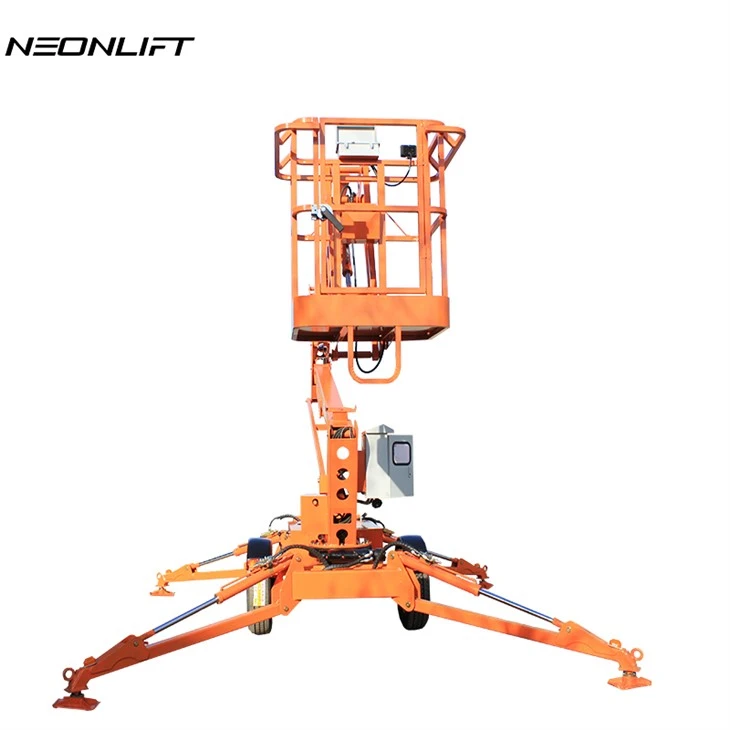
Before we dive into maintenance, let's quickly go over what the hydraulic system in a boom lift does. The hydraulic system is like the muscle of the boom lift. It uses pressurized fluid to power the movement of the boom, allowing it to lift, lower, and extend. This system consists of a hydraulic pump, cylinders, hoses, valves, and hydraulic fluid.
The pump is responsible for creating the pressure needed to move the fluid. The cylinders convert the fluid's pressure into mechanical force, which is what moves the boom. The hoses are the pathways for the fluid, and the valves control the flow and direction of the fluid. And of course, the hydraulic fluid is the lifeblood of the system, transferring power and lubricating the components.
Regular Inspections
One of the most important steps in maintaining the hydraulic system is regular inspections. You should visually inspect the system before each use. Check for any signs of leaks. Look at the hoses, connections, and cylinders. If you see any puddles of hydraulic fluid around the lift, or if there are wet spots on the hoses, that's a clear sign of a leak. Leaks can not only reduce the efficiency of the system but also pose a safety hazard.
Inspect the condition of the hoses. Look for any cuts, abrasions, or bulges. Damaged hoses can burst under pressure, leading to sudden loss of control of the boom lift. If you find any damaged hoses, replace them immediately. You can check out our Trailer Man Lift models, which come with high - quality hydraulic hoses designed for durability.
Also, examine the hydraulic fluid level. There's usually a sight glass or a dipstick that allows you to check the fluid level. The fluid should be at the appropriate level as indicated in the manufacturer's manual. Low fluid levels can cause the pump to overheat and fail, so it's important to top it up if necessary.
Changing the Hydraulic Fluid
Hydraulic fluid plays a vital role in the system, and it needs to be changed regularly. Over time, the fluid can break down due to heat, pressure, and contamination. Contaminated fluid can cause wear and tear on the system components.
The frequency of fluid changes depends on the usage of the boom lift. If the lift is used frequently in harsh conditions, you may need to change the fluid more often. As a general rule, it's a good idea to change the hydraulic fluid every 1000 - 2000 operating hours.
When changing the fluid, make sure to use the type of fluid recommended by the manufacturer. Using the wrong fluid can lead to problems such as poor performance and damage to the system. After draining the old fluid, clean the reservoir thoroughly to remove any debris or contaminants.
Our Compact Boom Lift models are designed for easy fluid changes, so you can perform this maintenance task with minimal hassle.
Filter Maintenance
The hydraulic filters are responsible for removing contaminants from the fluid. Over time, the filters can get clogged, which restricts the flow of fluid and reduces the efficiency of the system.
You should check and replace the filters regularly. The filter replacement schedule can be found in the operator's manual. When replacing the filters, make sure to follow the correct procedure. First, relieve the pressure in the system to prevent any fluid from spraying out. Then, remove the old filter and install the new one.
A clogged filter can cause the pump to work harder, which can lead to premature wear and failure. By keeping the filters clean, you can ensure that the hydraulic fluid remains clean and the system operates smoothly. Our Hydraulic Towable Sky Lift comes with high - quality filters that are easy to access and replace.
Keeping the System Clean
Dirt and debris can enter the hydraulic system and cause damage. To prevent this, keep the area around the boom lift clean. Make sure that the reservoir cap is always tightly closed to prevent dust and dirt from getting into the fluid.
If the boom lift is used in a dirty or dusty environment, you may want to consider using a hydraulic breather filter. This filter helps to prevent contaminants from entering the system when the fluid level changes.
Also, clean the exterior of the hydraulic components regularly. Wipe down the hoses, cylinders, and valves to remove any dirt or grime. This not only helps to prevent contamination but also makes it easier to spot any leaks or damage.
Proper Operation
How you operate the boom lift also affects the health of the hydraulic system. Avoid overloading the lift. Each boom lift has a specified weight capacity, and exceeding this capacity can put excessive stress on the hydraulic system.
When operating the controls, do it smoothly. Jerky movements can cause sudden pressure spikes in the system, which can damage the components. For example, when extending or retracting the boom, use a slow and steady motion.
Our Zero Emission Electric Aerial Work Platform is designed for easy and smooth operation, which helps to reduce stress on the hydraulic system.
Temperature Management
The hydraulic system can be affected by temperature. High temperatures can cause the hydraulic fluid to break down more quickly, while low temperatures can make the fluid thicker and more difficult to pump.
If the boom lift is operating in a hot environment, make sure that there is proper ventilation around the hydraulic components. You may also want to consider using a hydraulic fluid with a higher temperature rating.

In cold weather, allow the lift to warm up before using it. This gives the hydraulic fluid time to reach the appropriate viscosity. You can also use a fluid heater if necessary to keep the fluid at the right temperature.
Professional Maintenance
Even if you follow all the above steps, it's still a good idea to have the hydraulic system professionally serviced at regular intervals. A professional technician has the expertise and tools to perform a more in - depth inspection and maintenance of the system.
They can check the pressure in the system, test the components, and make any necessary adjustments. Professional maintenance can help to identify and fix potential problems before they turn into major issues.
We also offer Rental 18m Boom Lift options, and we provide comprehensive maintenance services for all our rental equipment to ensure that they are always in great working condition.
Wrapping Up
Maintaining the hydraulic system of a boom lift is essential for its performance, safety, and longevity. By conducting regular inspections, changing the fluid and filters, keeping the system clean, operating the lift properly, managing the temperature, and getting professional maintenance, you can ensure that your boom lift's hydraulic system stays in great shape.
If you're in the market for a boom lift or need more information on maintenance, don't hesitate to reach out. We're happy to help you choose the right equipment and provide all the support you need to keep it running smoothly.
References
- Manufacturer's manuals for boom lift hydraulic systems
- Industry best practices for hydraulic system maintenance
- Technical publications on aerial work platforms and their hydraulic components