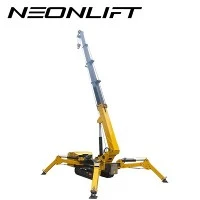
Yo! As an aerial lifts supplier, I've seen it all when it comes to using these machines in different weather conditions. Wet weather, in particular, can throw a real curveball into your work plans. So, I thought I'd share some key wet - weather precautions for aerial lifts to keep you safe and your operations running smoothly.
Pre - Operation Checks
Before you even think about lifting that platform up in the rain, you've gotta do a thorough pre - operation check. First off, take a good look at the lift's electrical system. Water and electricity don't mix well, as we all know. Check for any signs of water damage, like loose connections or corroded wires. If you spot any issues, don't try to fix it on the fly. Call in a professional to sort it out.
Next, examine the tires. In wet conditions, traction is everything. Make sure the tires have enough tread depth. Worn - out tires can lead to slipping and skidding, which is a major safety hazard. You can use a simple tread depth gauge to check this. If the tread is below the recommended level, it's time to replace the tires.
Also, check the hydraulic system. Look for any leaks or signs of fluid contamination. Water in the hydraulic fluid can cause the system to malfunction, and that's the last thing you want when you're up in the air. If you find any problems, it's best to get the hydraulic system serviced before using the lift.
Ground Conditions
The ground where you're setting up the aerial lift is crucial, especially in wet weather. Soft, muddy ground can cause the lift to sink or tip over. Before you set up, assess the ground conditions. If it looks too soft or unstable, you might need to use outriggers or stabilizers to distribute the weight of the lift more evenly.
For some of our models like the Self - propelled Telescopic Lift, proper ground support is even more critical due to its extended reach. You can also use ground mats or plates to provide a more solid foundation. These can prevent the lift from sinking into the ground and keep it stable during operation.


Operator Training
In wet weather, operators need to be extra careful. That's why proper training is essential. Make sure all operators are familiar with the specific risks associated with using aerial lifts in the rain. They should know how to adjust their operating techniques to account for reduced visibility and traction.
For example, operators should slow down their movements. Quick, jerky movements can cause the lift to sway or lose balance. They should also be aware of how the wet conditions affect the lift's controls. Some controls might be more slippery, so they need to grip them firmly.
Our company offers regular training sessions for operators. We cover everything from basic safety procedures to advanced wet - weather operation techniques. If you're a new operator or just need a refresher, I highly recommend signing up for one of these sessions.
Visibility
Visibility is a big issue in wet weather. Rain can make it hard to see clearly, both for the operator and for those on the ground. To improve visibility, make sure all the lift's lights are working properly. This includes the headlights, taillights, and warning lights.
You can also use additional lighting if needed. For example, some of our Mobile Platform Lift models can be equipped with extra spotlights to help the operator see better in low - light and wet conditions.
On the ground, use cones, barriers, and warning signs to mark off the work area. This will help prevent other workers or vehicles from getting too close to the lift and causing an accident.
Electrical Safety
As I mentioned earlier, water and electricity are a dangerous combination. In wet weather, the risk of electrical shock is much higher. Make sure all electrical components on the lift are properly insulated. Check the insulation for any cracks or damage.
If the lift has a battery, keep it covered. Water can short - circuit the battery and cause a fire or explosion. You can use a waterproof cover to protect it.
Also, avoid using the lift near power lines. Even a small amount of water on the lift can conduct electricity and put the operator at risk. If you need to work near power lines, follow all the proper safety procedures and get the necessary approvals.
Post - Operation Care
Once you're done using the aerial lift in wet weather, it's important to take good care of it. First, dry off the lift as much as possible. You can use towels or a blower to remove water from the surfaces.
Inspect the lift again for any signs of water damage. Check the electrical system, hydraulic system, and mechanical parts. If you find any issues, report them immediately and get them fixed.
Store the lift in a dry place. If possible, cover it with a tarp to protect it from further moisture. This will help prevent corrosion and extend the lifespan of the lift.
Which Aerial Lift is Best for Wet Conditions?
We have a few models that are more suitable for wet - weather operations. The Automatic Vertical Mast Aluminum Work Platform is a great choice. Its compact design and stable base make it less likely to be affected by wet ground conditions. The aluminum construction also resists corrosion better than some other materials.
The One Man Scissor Lift is another option. It's easy to maneuver and can be used in smaller spaces. The scissor mechanism provides a stable platform, even in wet conditions.
And if you need a lift with more reach, our Trailer Type Lift is a good pick. It can be easily moved from one location to another, and its boom provides extended height and reach.
Conclusion
So, there you have it, all the key wet - weather precautions for aerial lifts. By following these tips, you can keep your workers safe and your equipment in good condition. If you're in the market for a new aerial lift or need more information about our products, don't hesitate to reach out. We're here to help you make the right choice for your needs. Whether it's for a small - scale project or a large - scale industrial operation, we've got the perfect aerial lift for you. Let's start a conversation about your requirements and see how we can assist you in getting the best equipment for the job.
References
- OSHA Guidelines for Aerial Lift Safety
- Manufacturer's Manuals for Aerial Lifts
- Industry Best Practices for Working in Wet Conditions