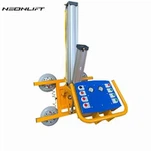
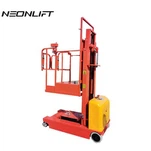
Both aerial lifts and scissor lifts are at risk of tipping over during operation. If the equipment's load is off-center or a worker leans out of the platform, the center of gravity may shift, increasing the likelihood of an accident. Ensuring proper usage and adherence to safety guidelines is crucial to minimizing these risks.
For scissor lifts, adverse weather conditions are among the primary causes of tipping accidents, particularly strong winds, which can destabilize the equipment. Additionally, uneven ground, potholes, and slopes pose significant hazards that can affect stability. Operators should always assess the ground conditions before use and avoid operating the lift on surfaces that may compromise its balance.
In contrast, aerial lifts have greater instability due to their ability to move in multiple directions, including horizontal, vertical, and lifting motions. Their mobility makes them more susceptible to tipping, especially when used on uneven or sloped surfaces. When operating an aerial lift, it is essential to ensure that the ground is firm and level to maintain stability.
To enhance safety, operators should never use lifts in extreme weather conditions such as high winds, heavy rain, or icy surfaces. It is also necessary to clear the work area of potential hazards, such as live power lines, overhead obstacles, or unstable structures. Additionally, strict adherence to the equipment's rated load capacity is essential, as overloading can significantly increase the risk of tipping or mechanical failure. Elevated platforms must never be used as a means of transportation, and they should not exceed their designated extension limits.
Beyond tipping hazards, aerial work platforms also pose other safety risks, including electric shocks, pinch injuries, and falls. Proper safety gear, such as harnesses and helmets, should be worn at all times to mitigate these dangers. Employers must ensure that all operators receive adequate training in safe operation procedures, hazard recognition, and emergency response measures.
Although aerial and scissor lifts are indispensable tools in construction, warehousing, and maintenance, prioritizing safety through rigorous training and strict compliance with operational guidelines is essential to preventing accidents and ensuring a secure work environment.