Operating a boom lift is a task that demands a high level of skill, knowledge, and safety awareness. As a boom lift supplier, I understand the critical importance of proper training for anyone who intends to operate these powerful machines. In this blog post, I will delve into the training requirements for operating a boom lift, highlighting the key aspects that operators need to master.
Understanding the Basics of Boom Lifts
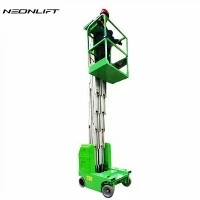
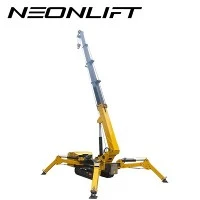
Before diving into the training requirements, it's essential to have a clear understanding of what a boom lift is. A boom lift is a type of aerial work platform that consists of a platform or bucket attached to a hydraulic arm, also known as a boom. This arm can be extended and maneuvered to reach various heights and locations. Boom lifts come in different types, including Portable Boom Lift, Trailer Man Lift, and Electric Articulated Spider Lift, each designed for specific applications.
General Training Requirements
The training for operating a boom lift typically includes both theoretical and practical components. The theoretical part covers essential knowledge about the machine, safety regulations, and potential hazards. The practical training, on the other hand, allows operators to gain hands - on experience in operating the boom lift safely.
Theoretical Training
- Machine Familiarization: Operators must learn about the different components of the boom lift, such as the boom, platform, controls, and power source. They need to understand how each part works and its function in the overall operation of the machine. For example, knowing how to operate the hydraulic controls to extend and retract the boom is crucial.
- Safety Regulations: A thorough understanding of safety regulations is a must. This includes local, national, and industry - specific safety standards. Operators should be aware of regulations regarding load capacity, height limits, and the use of personal protective equipment (PPE). For instance, they need to know that the platform has a maximum weight limit and that wearing a safety harness is mandatory.
- Hazard Awareness: Training should cover potential hazards associated with boom lift operation. These hazards can include electrical hazards, tip - overs, and collisions. Operators need to learn how to identify these hazards and take appropriate measures to prevent them. For example, they should know to keep a safe distance from power lines to avoid electrocution.
Practical Training
- Pre - Operation Checks: Before starting the boom lift, operators must perform a series of pre - operation checks. This includes inspecting the machine for any visible damage, checking the fluid levels, and ensuring that all safety devices are in working order. For example, they should check the brakes, the outriggers (if applicable), and the emergency stop button.
- Operation Skills: Practical training focuses on teaching operators how to operate the boom lift safely. This includes maneuvering the boom, raising and lowering the platform, and positioning the machine. Operators need to practice these skills in a controlled environment until they are proficient. For example, they should learn how to move the boom smoothly without causing sudden jerks that could endanger the platform occupants.
- Emergency Procedures: Operators must be trained in emergency procedures. This includes knowing how to respond in case of a power failure, a hydraulic leak, or a mechanical malfunction. They should also be familiar with the emergency stop button and how to use it in case of an immediate danger.
Type - Specific Training
Different types of boom lifts have unique features and operating requirements. Therefore, operators may need type - specific training depending on the type of boom lift they will be operating.
Portable Boom Lift
Portable boom lifts are designed for easy transportation and use in various locations. Operators of portable boom lifts need to learn how to set up and dismantle the machine quickly and safely. They also need to understand the limitations of the machine in terms of mobility and stability. For example, they should know that the portable boom lift may have a lower load capacity compared to larger models.
Trailer Man Lift
Trailer man lifts are often towed to the job site. Operators of trailer man lifts need to be trained in towing procedures, including how to properly hitch the trailer to the towing vehicle and how to secure the boom lift during transportation. They also need to learn how to level the trailer man lift at the job site to ensure stability.
Electric Articulated Spider Lift
Electric articulated spider lifts are known for their ability to access hard - to - reach areas. Operators of electric articulated spider lifts need to understand the unique articulation of the boom and how to use it to reach different angles and heights. They also need to be aware of the electrical safety requirements, as these lifts are powered by electricity.
Certification and Recertification
In many regions, operators of boom lifts are required to obtain a certification to legally operate the machine. The certification process usually involves passing both a written exam and a practical test. The written exam assesses the operator's knowledge of the theoretical aspects of boom lift operation, while the practical test evaluates their ability to operate the machine safely.
Recertification is also important to ensure that operators stay up - to - date with the latest safety regulations and operating procedures. The frequency of recertification may vary depending on local regulations and the type of boom lift. Generally, recertification is required every few years.
Importance of Continuous Training
Even after obtaining certification, continuous training is crucial for boom lift operators. The industry is constantly evolving, with new technologies and safety standards being introduced. Continuous training helps operators stay informed about these changes and improve their skills.


For example, new boom lift models may have advanced features such as improved control systems or enhanced safety devices. Operators need to be trained on how to use these new features effectively. Additionally, continuous training can help reinforce safety awareness and prevent accidents.
Contact for Purchase and Training
If you are in the market for a boom lift or need more information about the training requirements, we are here to help. Our team of experts can provide you with detailed information about our range of boom lifts, including Portable Boom Lift, Trailer Man Lift, and Electric Articulated Spider Lift. We can also assist you in arranging proper training for your operators to ensure safe and efficient operation. Contact us today to start the conversation about your boom lift needs.
References
- Occupational Safety and Health Administration (OSHA). (Year). Safety standards for aerial work platforms.
- International Powered Access Federation (IPAF). (Year). Training guidelines for boom lift operators.
- Manufacturer's manuals for boom lifts.