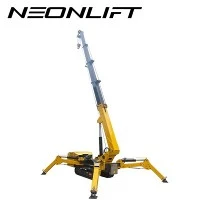
So, let’s chat about this: Can a small platform lift work in a museum? Full transparency here— I’m with a small platform lift supplier, and this question comes up ALL the time. I get it: Museums are weird, wonderful, and super high-stakes spaces. They’ve got priceless art, fragile floors, narrow hallways, and strict rules (plus, ya know, everyone walking around to look at Van Gogh’s Sunflowers for the 100th time). So tossing a random lift in there might seem like a no-go… but hear me out. We’ve worked with like 12 museums over the past few years, and it’s been a game-changer for their accessibility and maintenance teams. Let’s break it down, no fancy jargon, just real stuff we’ve seen.
First, let’s get one thing straight: Small platform lifts aren’t just for wheelchair ramps or old guys who can’t climb stairs (though they do that great). Museums need two big things from lifts, right? Accessibility for visitors with mobility issues, and maintenance access for things like cleaning high ceilings, fixing light fixtures, or adjusting art on the walls that’s out of reach. A regular scissor lift? Way too big, needs a huge space to maneuver, might scratch those marble floors, or get stuck in a narrow exhibit corridor. That’s where small platform lifts shine. But wait— let’s not just say “small” and call it a day. There are specific types of electric lifts that are made for indoor, delicate spaces, and I’m gonna link the exact ones we use with museums later, don’t worry.
Let’s start with the big museum bugaboo: Floor protection. Most museums have super delicate surfaces— polished concrete, marble, even original wood floors from the 1800s. If you drive a regular lift with hard rubber tires (or worse, metal) across that, you might leave scuffs, scratches, or even dents that cost thousands to fix, and some historic buildings have rules against any permanent damage. Our small platform lifts? The ones we supply for museums have non-marking, low-pressure tires that distribute the lift’s weight evenly, like, it’s less pressure than a person’s high-heeled shoes. We tested this at a small art museum in Boston last year— they were worried about their 19th-century oak floors, and after two months of using our lifts for changing art displays, there wasn’t a single scuff. That’s a win.
Then there’s maneuverability. Museums have tight spaces— think narrow hallways between exhibit walls, doorways that are only 36 inches wide (standard museum doorways, because ya know, old buildings). A full-size scissor lift is like 5 feet wide, can’t fit through a 36-inch door. Our small platform lifts? They’re under 30 inches wide when folded, and have a tight turning radius— like, you can spin them in a 4-foot space. That’s perfect for squeezing between displays to get to that dusty corner where the security camera needs fixing, or to bring a wheelchair user up to a gallery that’s only accessible via a tiny service elevator. Wait, and for maintenance teams? They don’t need a big lift that takes up the whole gallery— they can work around the exhibits while the lift’s up, no closing off the whole space.
Now, let’s talk power, because museums care a lot about noise and fumes. No one wants a loud, gas-powered lift scaring the visitors or triggering the quiet hours (you know, those 10 minutes after opening before the crowds hit when people are actually reading the placards). All the small platform lifts we supply are electric— so zero fumes, super quiet (like, quieter than a normal conversation). That’s huge. We’ve had a natural history museum in Chicago use our electric lifts to clean the dinosaur skeletons in the great hall at 7 a.m. before opening, and no one even heard them working. Also, battery-powered means they don’t need to plug in every 20 minutes— the batteries last a full 8-hour shift, even if they’re moving the lift around a lot. If you need to work late, just swap in a spare battery in 2 minutes, no hassle.
Wait, but what about different museum needs? Let’s say a small local museum with a single-level wing that needs accessibility— a basic small platform lift works. But a big, multi-level museum with limited space for lifts? Oh, we have options. For example, if they need something that can self-navigate without a driver (so maintenance teams don’t have to operate it every time), we have Self Driving Scissor Type Working Lift that can map out the space and avoid exhibits, so they can just set it and go. Or if they need to work on uneven ground? Tracked Electric Scissor Lift that glides over slightly uneven floors (like old stone hallways) without tipping. And for general indoor use, the Electric Indoor Scissor Lift is our top pick for most museums— compact, quiet, easy to store. Also, the Battery Powered Aerial Work Platform is perfect for areas where you can’t have cords dangling (like near fragile art or electrical equipment), no tripping hazards.
But hold on, I know someone’s gonna bring up capacity. Museums don’t want a lift that can only hold 2 people— they might need one that can hold a maintenance worker, their tools, and a spare paint can or light bulb. Our small platform lifts hold up to 500 lbs, which is more than enough for one person and supplies, and some of the bigger small ones hold 750 lbs. We checked— that’s enough for even two smaller maintenance people if needed. No overloading issues, and they have safety features like emergency stop buttons, non-slip platforms, and guardrails that are museum-compliant (so they don’t block views of art, but still keep people safe).
Wait, let’s talk about a real example. A small contemporary art museum in Portland called The Art Garage— they had a problem: their second-floor gallery had accessibility access only via a steep, narrow stairway, so wheelchair users couldn’t get up. Their maintenance team needed to change art on the high walls (14 feet) without closing the whole gallery. They tried renting a regular scissor lift once, and it got stuck in the doorway, scratched the floor, and was way too loud. They reached out to us, and we set them up with an Electric Indoor Scissor Lift that fit through their service doorway, weighed so little it didn’t scratch the floor, and reached 16 feet (enough for the high walls). Now, they have 3 wheelchair users going up there every day, and maintenance changes art in 20 minutes instead of taking apart a whole wall to move a big ladder. They told us it’s been a total game-changer.


Another thing: Museum budgets. A lot of people think lifts are super expensive, but small platform lifts are way cheaper than full-size ones, and they don’t require any permanent installation (you can move them around the museum, or even store them in a closet when not in use). That’s way better than a fixed stair lift that’s only for one staircase— with our lifts, you can use them for accessibility, maintenance, and even moving small exhibits around. We also offer flexible payment plans, which is perfect for small museums that don’t have huge yearly budgets.
But wait, are there any caveats? Let’s be real, no product is perfect. You can’t use a small platform lift in a space that’s super crowded during peak hours, obviously— you’d want to schedule maintenance work during off-hours, or use it in less busy areas. Also, you need to make sure the museum has a place to store it, but since they’re compact, that’s usually not a problem (like a utility closet or back storage room). And you have to do regular checks, like any equipment— we offer maintenance plans for our lifts, so the museum doesn’t have to worry about fixing them on their own.
Now, let’s make sure we’re linking the right stuff here, since you asked. The Electric Indoor Scissor Lift is exactly the model The Art Garage uses— it’s compact, quiet, perfect for indoor museum spaces. If you need something that doesn’t require a driver, check out the Self Driving Scissor Type Working Lift for navigating those tight exhibit corridors. For areas with more uneven floors (like old stone hallways), the Tracked Electric Scissor Lift is a great call. And for battery-only use (no cords), the Battery Powered Aerial Work Platform is ideal, so no tripping hazards near art or wires. The Electric Scissor Lift Machine is our general all-around model that works for most small museum needs.
So, wrapping this up: Yes, a small platform lift absolutely can be used in a museum. The key is picking the right type— electric, compact, non-marking tires, quiet, with the right maneuverability. They solve two big museum problems: accessibility for visitors with mobility issues, and maintenance access for staff working on high areas. We’ve worked with enough museums to know that it’s not just possible, it’s a total upgrade. If your museum is looking for something that doesn’t scratch floors, fits through narrow doorways, and doesn’t drive visitors crazy with noise, you should reach out to chat more about which lift works best for your space. No pressure, just helping out.
References:
National Museum Accessibility Guidelines (2022)
Indoor Aerial Lift Safety Standards, OSHA (2021)
Historic Building Floor Protection Best Practices, National Trust for Historic Preservation (2023)
Small Business Equipment Efficiency Report, Museum Association of America (2022)